Exploring Finn: A Bold and Expressive Display Font with Distressed Texture
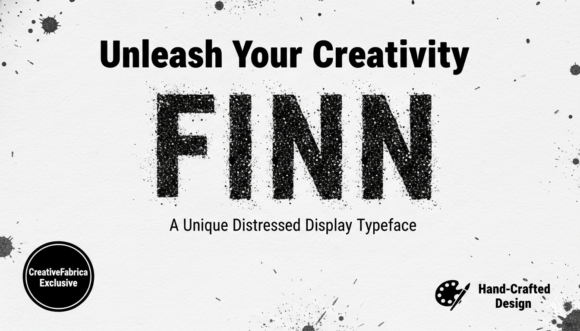
Finn is a striking and expressive display font that stands out with its unique distressed texture. Inspired by hand-painted signs and gritty, urban aesthetics, Finn brings an authentic, handcrafted feel to any design project. This all-caps typeface is perfect for headlines, logos, posters, and any creative endeavor that requires a touch of urban edge and impact.
What Makes Finn Distinct?
The primary feature that sets Finn apart is its distinctive distressed texture. This texture gives the font a rugged, hand-painted look, adding a layer of authenticity and character. Unlike many clean, modern fonts, Finn's rough edges and imperfections make it feel more organic and less polished, which can be a significant advantage in certain design contexts.
Comparing Finn with Similar Options
When considering a bold and expressive display font, there are several alternatives to Finn. However, each has its own unique characteristics and best-use scenarios:
- Hand-Painted Fonts: These fonts, like Finn, often have a distressed or textured appearance. They can be a good alternative if you prefer a more varied and less uniform look. However, they may lack the consistent impact and readability that Finn offers.
- Modern Sans-Serifs: Clean, modern sans-serif fonts are popular for their simplicity and versatility. While they offer a sleek, professional appearance, they may not provide the same level of character and visual interest as Finn.
- Grungy Textures: Some fonts incorporate grungy textures but may not have the same level of detail and craftsmanship. These can be a good option if you want a similar aesthetic but with a different style of distressing.
Strengths and Tradeoffs of Finn
Finn's strengths lie in its ability to add a strong, impactful presence to your designs. The all-caps format and the distressed texture work together to create a bold, eye-catching effect. This makes Finn ideal for projects that need to stand out and make a statement, such as event posters, branding, and editorial headlines.
However, there are some tradeoffs to consider. The distressed texture, while visually appealing, may not be suitable for all types of projects. For instance, in formal or corporate settings, a cleaner, more traditional font might be more appropriate. Additionally, the all-caps format can limit the font's use in body text, where a mix of uppercase and lowercase letters is often preferred for readability.
Best-Fit Situations for Finn
Finn is particularly well-suited for projects that require a bold, expressive, and slightly edgy aesthetic. Here are some specific situations where Finn shines:
- Event Posters and Flyers: Finn's impactful presence and distressed texture make it a great choice for creating eye-catching promotional materials for concerts, art shows, and other events.
- Brand Identity and Logos: If you're looking to create a brand identity that exudes strength and character, Finn can be a powerful tool. Its unique texture adds a memorable and distinctive touch to logos and branding elements.
- Editorial and Magazine Headlines: In editorial design, Finn can be used to create attention-grabbing headlines that complement the content's tone and style, especially in publications with a more artistic or edgy focus.
Limitations and Decision Factors
While Finn is a versatile and impactful font, it's important to consider its limitations and whether it aligns with your project's needs. Here are some key factors to keep in mind:
- Readability: The all-caps format and distressed texture can affect readability, especially in smaller sizes or in body text. Consider using Finn primarily for larger, more prominent text elements.
- Aesthetic Fit: Finn's gritty, hand-painted look may not be suitable for all design styles. It works best in contexts that benefit from a bold and expressive aesthetic, such as urban, artistic, or edgy themes.
- Formal and Corporate Settings: For more formal or corporate projects, a cleaner, more traditional font might be more appropriate. Finn's distressed texture and bold presence may not align with the professionalism and clarity required in these settings.
When to Choose Finn and When to Consider Alternatives
Finn is an excellent choice when you need a font that commands attention and adds a unique, handcrafted feel to your designs. It's particularly well-suited for projects that benefit from a bold, expressive, and slightly edgy aesthetic, such as event promotions, brand identities, and editorial headlines.
However, if your project requires a more formal, clean, or traditional look, or if readability in smaller text sizes is a priority, you may want to consider alternative options. Modern sans-serifs, clean hand-painted fonts, or even serif fonts could be more appropriate in these cases.
In summary, Finn is a standout font that brings a unique and impactful presence to your designs. By understanding its strengths, tradeoffs, and best-fit situations, you can make a more informed decision about whether Finn is the right choice for your next creative project.