Honey Apple: A Versatile Font for Creative Design
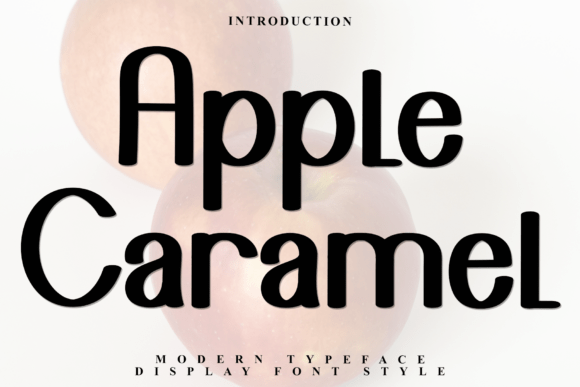
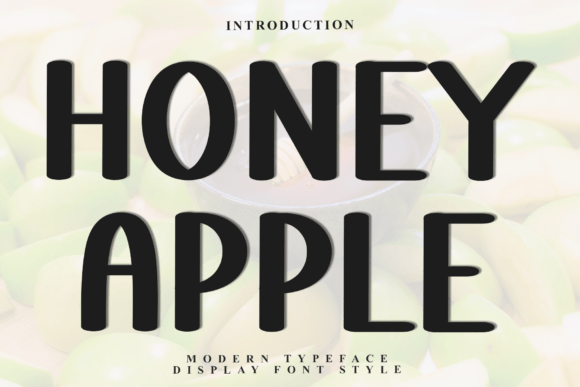
Imagine a font that not only captures the eye but also adds a unique touch to your design projects. Honey Apple is just that—a beautifully crafted, soft, and distinctive typeface that stands out in any creative work.
In the world of graphic design, the right font can make or break a project. Honey Apple, with its elegant strokes and versatile characters, offers a fresh and engaging option for designers looking to add a special character to their work. Whether you're working on a branding campaign, a social media post, or a website, this font can significantly enhance the visual appeal and readability of your content.
Why Honey Apple Matters in Modern Graphic Design
Honey Apple is not just another pretty font; it's a powerful tool for creating effective visual communication. Its soft, unique touch makes it perfect for establishing a strong brand identity and improving user engagement. The font's natural style and compatibility with various applications, including Windows and open-source platforms, make it a go-to choice for designers across different fields.
Practical Applications of Honey Apple
- Branding and Logo Design: Honey Apple's distinctive strokes and elegant form make it an excellent choice for creating memorable logos and reinforcing brand identity. Its versatility allows it to adapt to different brand personalities, from modern and minimalist to more traditional and classic styles.
- Marketing Materials: From brochures and flyers to business cards and banners, Honey Apple adds a touch of elegance and professionalism to all marketing collateral. It helps in creating a cohesive and visually appealing look that resonates with your target audience.
- Social Media Graphics: In the fast-paced world of social media, standing out is crucial. Honey Apple's unique style and readability make it ideal for crafting engaging and impactful social media posts, helping to increase visibility and engagement.
- Website and UI Design: The font's clean and legible design enhances the user experience on websites and digital interfaces. It can be used for headings, subheadings, and even body text, providing a consistent and professional look throughout the site.
- Packaging Design: Product packaging is often the first point of contact with a customer. Honey Apple's elegant and natural style can elevate the overall aesthetic of packaging, making products more appealing and memorable.
Tips for Using Honey Apple Effectively
To get the most out of Honey Apple, consider the following tips:
- Consistency: Use Honey Apple consistently across all design elements to build a strong and recognizable brand identity. Consistency in typography helps in creating a cohesive and professional presentation.
- Readability: While Honey Apple is visually appealing, ensure that it remains readable, especially in smaller sizes or when used in longer blocks of text. Pair it with a clean, sans-serif font for body text if needed.
- Scalability: Test the font at different sizes and resolutions to ensure it maintains its quality and impact. This is particularly important for web and mobile designs where scalability is key.
- Visual Hierarchy: Use Honey Apple to establish a clear visual hierarchy in your designs. It can be used for headings and subheadings to draw attention and guide the viewer's eye through the content.
- Compatibility: Ensure that Honey Apple aligns with your existing brand system, including color palettes and imagery. This will help in maintaining a harmonious and polished look across all your design projects.
Thoughtful design choices, such as the selection and use of fonts like Honey Apple, can significantly improve both the aesthetics and the effectiveness of your creative projects. By leveraging the unique and versatile qualities of Honey Apple, you can create designs that not only stand out but also communicate your message clearly and professionally. Whether you are a designer, marketer, or business owner, investing in high-quality creative assets like Honey Apple can make a substantial difference in your design workflow and the overall impact of your work.